
Let me be straight with you: most pizza stone guides are written by people who’ve never run a pizzeria. They’re testing stones twice a year on a Sunday afternoon. I manage three pizza operations, and between our kitchens and the home setups I’ve recommended to staff, family, and anyone who’ll listen — I’ve put a lot of stones through their paces.
So when I tell you which pizza stones are worth your money, it’s not based on a five-star Amazon review I skimmed. It’s based on what actually works when you care about the crust.
Why a Pizza Stone Actually Matters
Your oven lies to you. It says it’s 500°F. It’s not — not uniformly. The air gets hot, but the surface you’re baking on stays relatively cool. That’s why homemade pizza often comes out pale and soft on the bottom while the top is borderline burnt.
A pizza stone absorbs heat during a long preheat and dumps that stored energy directly into the bottom of your dough. It simulates what a commercial deck oven does naturally. The floor of our restaurant ovens sits at around 700–750°F. A good stone or steel, preheated for 45–60 minutes, gets you surprisingly close.
What to Look for When Buying
Thermal Mass
Thicker is better. A ½-inch ceramic tile and a ¾-inch cordierite stone are not the same thing. You want mass — something that holds heat and doesn’t drop dramatically when cold dough hits it.
Material
- Cordierite is the gold standard for stones. High heat tolerance, low thermal shock risk.
- Ceramic is cheaper, more fragile, more prone to cracking.
- Steel conducts heat roughly 20x faster than ceramic. Best bottom crust — heavier and pricier, but worth it.
Size
Get the biggest that fits your oven with at least an inch clearance on all sides. Most 16-inch rounds or 16×16 squares work well in standard home ovens.
Our Top 5 Picks
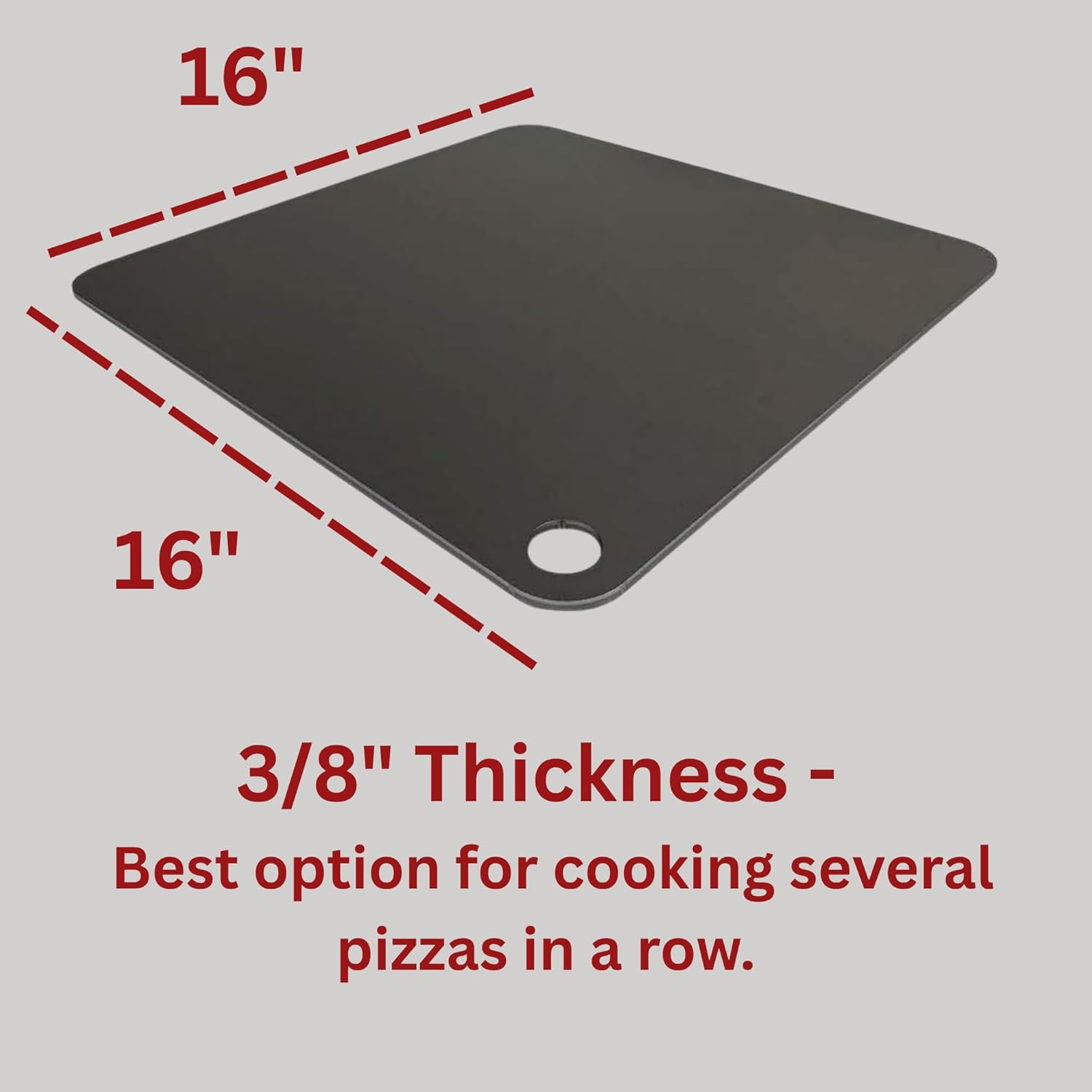
🏆 Our Pick · Best Overall
ThermiChef 16″ × 16″ Pizza Steel — 3/8″ Deluxe
This is the one I use at home. 3/8″ thick, laser-cut from a solid piece of steel, made in the USA. The 16×16 size gives you real room to work. Heats evenly, holds temperature through multiple pies, and will literally outlast everything else in your kitchen.
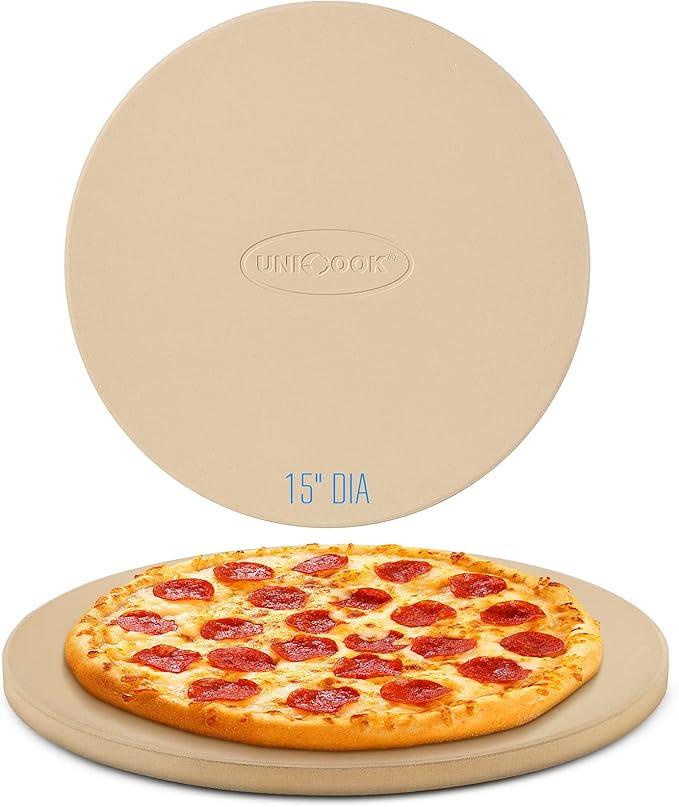
Best Stone · Budget-Friendly
Unicook Heavy Duty Cordierite Pizza Stone — 15″
The best cordierite stone at this price point. ¾” thick, handles thermal shock well, and after a proper preheat delivers a genuinely crispy bottom crust. Solid choice if you’re not ready to go steel.
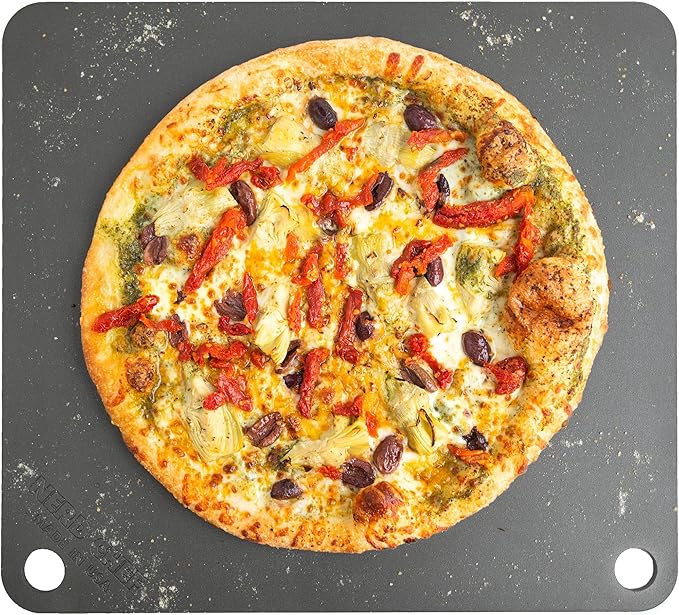
Also Excellent · Premium Steel
NerdChef Steel Stone — High Performance Baking Steel
A well-known workhorse in the baking steel world. Conducts heat roughly 20x better than ceramic. Virtually indestructible and improves with seasoning over time.
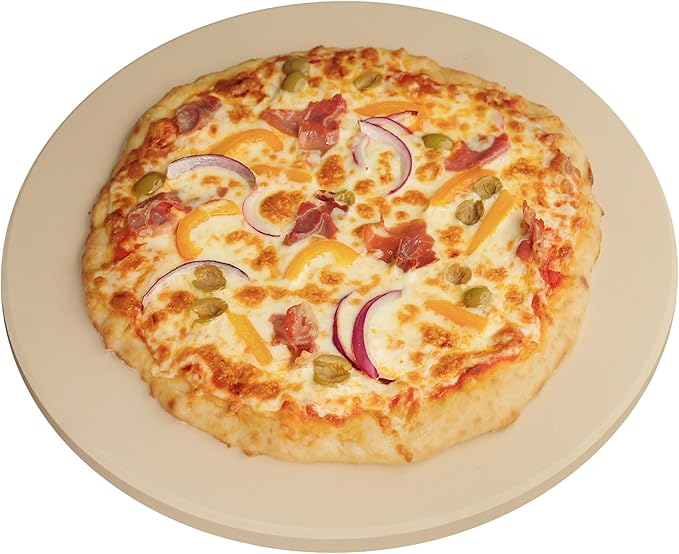
Best for Beginners · Budget Stone
Old Stone Pizza Kitchen Round Pizza Stone — 16″
Old Stone has been making these for decades. Ceramic construction, but wide at 16″ and proven reliable for years. Good starting point if you’re just getting into it.
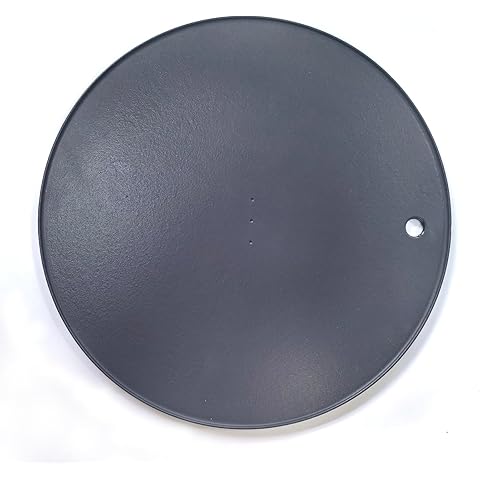
Best Gift · Premium Ceramic
Made in France, comes in multiple colors, can go oven to table. Performance is solid if not elite. The one to buy when aesthetics matter as much as function.
Frequently Asked Questions
How long should I preheat my pizza stone?
At minimum, 45 minutes at your oven’s highest temperature. An hour is better. Skipping this step is the #1 reason home pizza stones disappoint people.
Can I use a pizza stone on the grill?
Many stones and steels can handle grill use, and the results can be excellent — you get much higher ambient temps, which gets you closer to a wood-fired result. That said, always read the manufacturer’s directions before putting any stone or steel on a grill. Not all products are rated for direct flame exposure, and using one outside its specs can void the warranty or cause damage.
Why did my pizza stone crack?
Almost always thermal shock. Never run cold water on a hot stone. Let it cool completely before cleaning. Ceramic stones are more vulnerable than cordierite or steel.
Do I need to season a pizza stone?
No. Just use it. It’ll darken over time and actually improve. Don’t scrub it with soap — just scrape off debris and wipe it down when cool. Steel benefits from a light seasoning like cast iron.
What’s the difference between a pizza stone and a baking steel?
Material and heat transfer. Stone heats more slowly and releases heat more gently. Steel heats faster and produces a crispier, charred bottom. For thin-crust or Neapolitan-style, steel wins. For thicker pizza, stone can be the right call.
The Bottom Line
If you’re ready to commit, the ThermiChef is where I landed after trying a bunch of options — it’s the one I keep reaching for. If you want to start somewhere more affordable, the Unicook cordierite stone is the best value in the category. Either way, preheat for a full hour and stop using whatever flimsy pan you’ve been using.
Got questions about home pizza setup? Drop them in the comments. I actually read them.
Affiliate disclosure: Some links in this post are Amazon affiliate links. If you buy through them, we earn a small commission at no extra cost to you. We only recommend things we’d actually use ourselves — or already have.
 Insider Pizza